Key points from article :
After seven years of attempts, San Diego biotech ViaCyte has reported the first clinical evidence that its stem cell-derived therapy for type 1 diabetes can start producing insulin inside a patient's body. The early results, presented at the American Diabetes Association's 81st Scientific Sessions, are seen as an important proof of concept for replacing the insulin-producing cells that are destroyed in the disease.
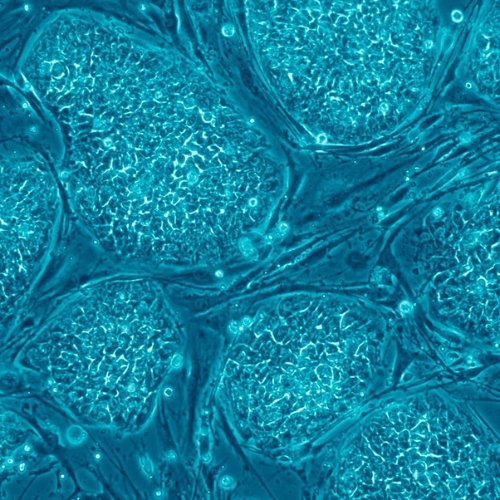
In type 1 diabetes, the immune system attacks the beta cells of the pancreas, leaving people dependent on insulin injections for life. ViaCyte's therapy, called PEC-Direct, uses pancreatic progenitor cells grown from stem cells and placed inside a small pouch implanted under the skin. The pouch is designed to let blood vessels grow in, so the cells can mature into hormone-producing islet cells, including glucose-responsive beta cells.
The data came from one patient treated at University Hospital Brussels who had produced essentially no insulin of their own before the implant. Around nine months later, levels of C-peptide, a marker of the body's own insulin production, had risen from almost undetectable to clinically meaningful levels after a meal. The proportion of time the patient's blood glucose stayed within the target range rose from 54% to 88%, and their HbA1c fell from 7.4% to 6.6%. Tissue taken from a small test device confirmed that the cells had engrafted, and no serious adverse events were reported.
ViaCyte described the results as unprecedented for a stem cell-derived replacement therapy and said more patients were being enrolled, with further data expected the following year. The company was also working with CRISPR Therapeutics on a gene-edited version of the cells designed to avoid immune rejection.
The findings come with significant caveats. They are based on a single patient, and because the cells in PEC-Direct are not shielded from the immune system, recipients must take immunosuppressant drugs for as long as the implant is in place, which carries its own risks. Earlier versions of the approach had struggled to engraft reliably, and much larger and longer studies are needed to show whether the benefits last and whether the therapy can reduce or remove the need for insulin injections. ViaCyte was later acquired by Vertex Pharmaceuticals in 2022.
The research was led by Bart Keymeulen at University Hospital Brussels and published in Diabetes.