Key points from article :
Japanese biotechnology company Heartseed has begun testing a new approach to treating severe heart failure by injecting lab-grown heart muscle cells directly into the heart through a catheter. The first patient, a man in his 70s with dilated cardiomyopathy, received the experimental treatment at Shinshu University Hospital in March 2026. His condition was reported to be generally favourable following the procedure, and he has since been discharged from hospital.
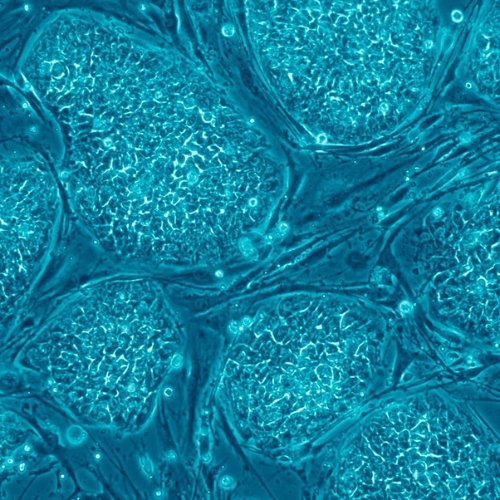
The treatment uses induced pluripotent stem (iPS) cells, which can be reprogrammed from adult cells and developed into different cell types, including heart muscle cells. Heartseed grows these cells into small clusters, known as spheroids, which are intended to help restore damaged heart muscle and improve the organ’s ability to pump blood. The company hopes that delivering the cells through a catheter will offer a less invasive alternative to open-heart surgery, reducing the physical burden on patients.
Heartseed has previously tested a surgically implanted version of the treatment in 10 people with severe heart failure, reporting improvements in heart function and symptoms. The new catheter-based trial aims to assess both safety and effectiveness in a total of 14 participants by 2029. Meanwhile, the company plans to seek regulatory approval for its surgically implanted cell therapy and the equipment used to deliver it.
Although the early results are encouraging, the catheter-based approach remains experimental, and one patient’s recovery cannot establish whether the treatment is safe or effective more broadly. The ongoing trial will help determine whether this technique can offer a practical new option for people with severe heart failure.