Key points from article :
Scientists at the California Institute of Technology (Caltech) have developed tiny robots that can carry medicines across the blood-brain barrier. In mice with glioblastoma, an aggressive type of brain cancer, the 250-nanometre devices, called BrainBots, delivered about five times more chemotherapy into the brain than usual, slowed tumour growth and reduced side effects.
The blood-brain barrier is a layer of tightly packed cells lining the brain's blood vessels. It protects the brain from germs and harmful substances, but it also stops many potentially effective drugs from reaching the brain, which makes brain tumours and other neurological diseases difficult to treat.
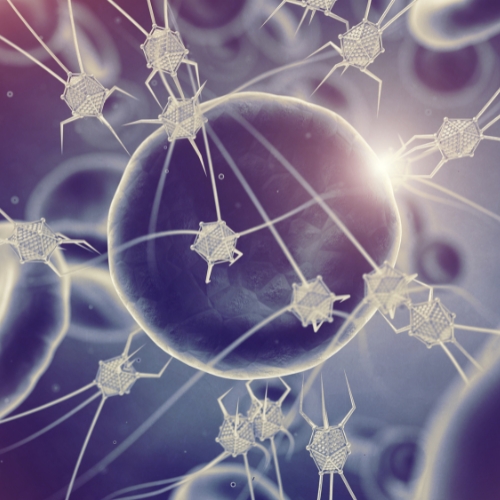
BrainBots are balloon-like capsules, hundreds of times smaller than the width of a human hair, made from biocompatible and biodegradable materials. They are injected into the bloodstream and carry their drug on the outside of the shell, held in place by a temperature-sensitive gate. When near-infrared light is shone through the skull, the nanorobots near the barrier heat up, the gate melts and a fuel inside releases gas, propelling them out of the fast-moving blood flow and towards the vessel wall. DNA-based molecules called aptamers on their surface then bind to the cells of the barrier, which carry the BrainBots across into the brain. Once there, they break down and release their drug.
When loaded with the chemotherapy drug doxorubicin, light-activated BrainBots delivered about five times more drug into brain tissue than nanorobots that were not activated. In mouse models of glioblastoma, they slowed tumour growth, prolonged survival and caused less toxicity in the rest of the body than doxorubicin given in the usual way. Tests afterwards found no lasting damage to the blood-brain barrier. Study leader Wei Gao, professor of medical engineering at Caltech, said crossing the barrier is one of the "biggest challenges in treating brain diseases" and that the team hopes the technology could also help with conditions such as Parkinson's disease.
Independent experts welcomed the work. Dr Karen Noble of the charity Brain Tumour Research said finding ways around the blood-brain barrier could transform treatment, while Roslyn Bill, professor of biotechnology at Aston University, described the mouse results as encouraging but said there is still a long way to go before it is known whether the approach will work in patients.
The research has so far only been carried out in mice. Only a fraction of the injected nanorobots reached the brain, with the rest building up in the liver and spleen. Long-term safety, stability and how the BrainBots break down in the body have not yet been established, and getting near-infrared light through tissue still needs to be improved before human trials can be considered.
The research was led by Wei Gao at Caltech and published in Science Robotics.