Key points from article :
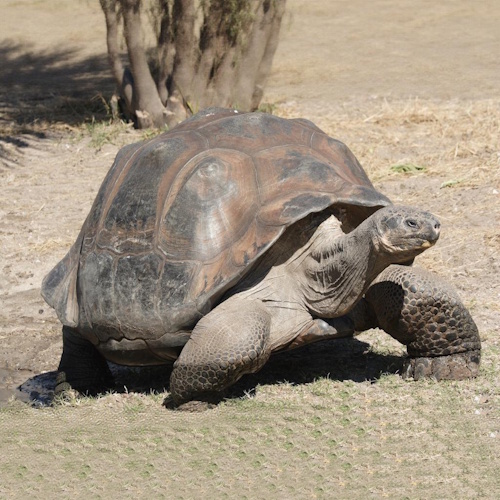
Jonathan, an Aldabra giant tortoise thought to have hatched around 1832, is the oldest known living land animal at an estimated 194 years old. A new study of his genome and epigenome suggests that part of his secret is how little some of his key genetic switches have changed over nearly two centuries.
The team, led by the US longevity non-profit Kallel, sequenced Jonathan's DNA from cheek and saliva samples, as a blood draw was not allowed because of his age and iconic status on St Helena, the South Atlantic island where he has lived since 1882. They found 287 gene variants unique to Jonathan, including some in pathways linked to ageing such as DNA repair, telomere maintenance, insulin regulation, mitochondrial function and cancer.
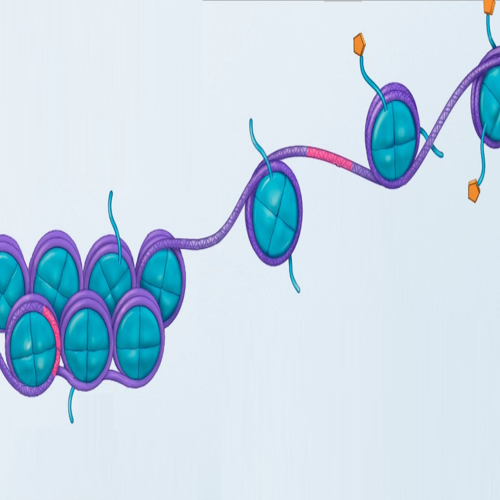
The most striking result came from comparing Jonathan's DNA methylation, the chemical tags that help switch genes on and off, with that of four other Aldabra tortoises ranging from juveniles to older adults. Random changes in these tags usually build up with age, but the switches controlling Jonathan's genes for energy production, RNA processing and DNA repair had stayed remarkably orderly, looking similar to those of much younger tortoises. "We found that the gene regulators involved in energy production and DNA repair have remained incredibly stable in Jonathan over almost two centuries," said Justin Gerlach of Peterhouse, University of Cambridge.
The study is the first to examine the epigenome of a giant tortoise, but it rests on a single exceptionally old animal, so it is not yet clear whether these features are unique to Jonathan or common in long-lived tortoises. The researchers say blood samples and studies of more tortoises will be needed to confirm the findings, and they plan to look for drugs that could keep mitochondria working more youthfully in people.
The research was led by Stephen Clark at the Kallel Foundation and published in Science Advances.