Key points from article :
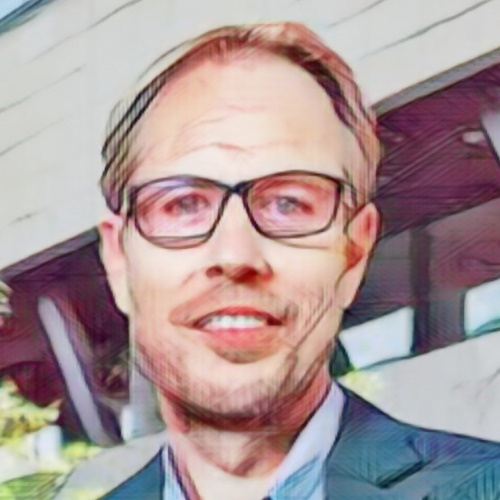
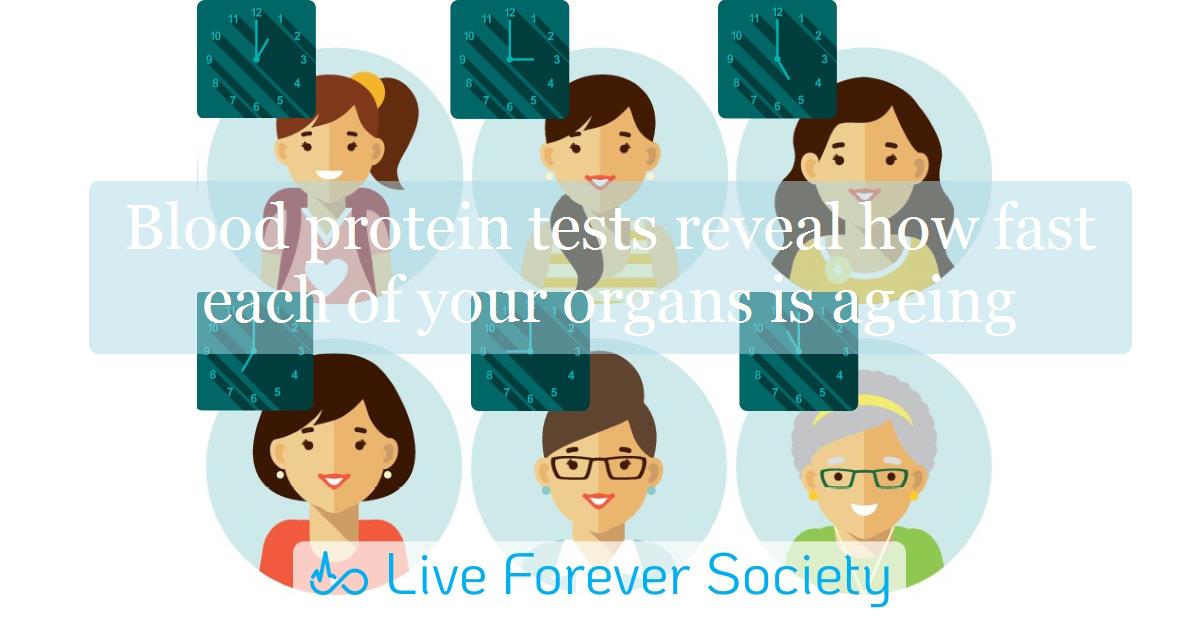
Tony Wyss-Coray, a Swiss-born professor of neurology at Stanford University, has been named one of TIME's longevity leaders for his work on measuring how fast individual organs age. His team has developed blood tests that read levels of thousands of proteins to estimate the biological age of the brain, heart and other organs, rather than giving a single figure for the whole body.
The idea grew out of work Wyss-Coray began in 2007, when his lab found that people with Alzheimer's disease had different blood protein profiles. Later mouse studies showed that plasma from young animals improved cognition in old mice, while plasma from old animals aged young ones. In a 2023 study of 11 organs across five cohorts, his team found that about one in five people had one organ ageing markedly faster than expected, and that this was linked to a 20 to 50% higher risk of death. People with a faster-ageing heart had a 250% higher risk of heart failure.
"These tests could tell you how your organs are holding up," Wyss-Coray told TIME. He now directs the Knight Initiative for Brain Resilience at Stanford and has cofounded two companies: Vero Bioscience, which is studying how accurate the organ tests are in the real world, and Alkahest, which is trialling plasma-based treatments for Alzheimer's and Parkinson's diseases.
The tests are not yet a routine clinical tool. Their accuracy in everyday medical settings is still being studied, and it is not yet known whether slowing the ageing of a particular organ would lower the risk of disease.
The organ ageing research was led by Tony Wyss-Coray at Stanford University and published in Nature.